
Knee Pain When Walking or Running: The Real Causes (And What Actually Fixes It)
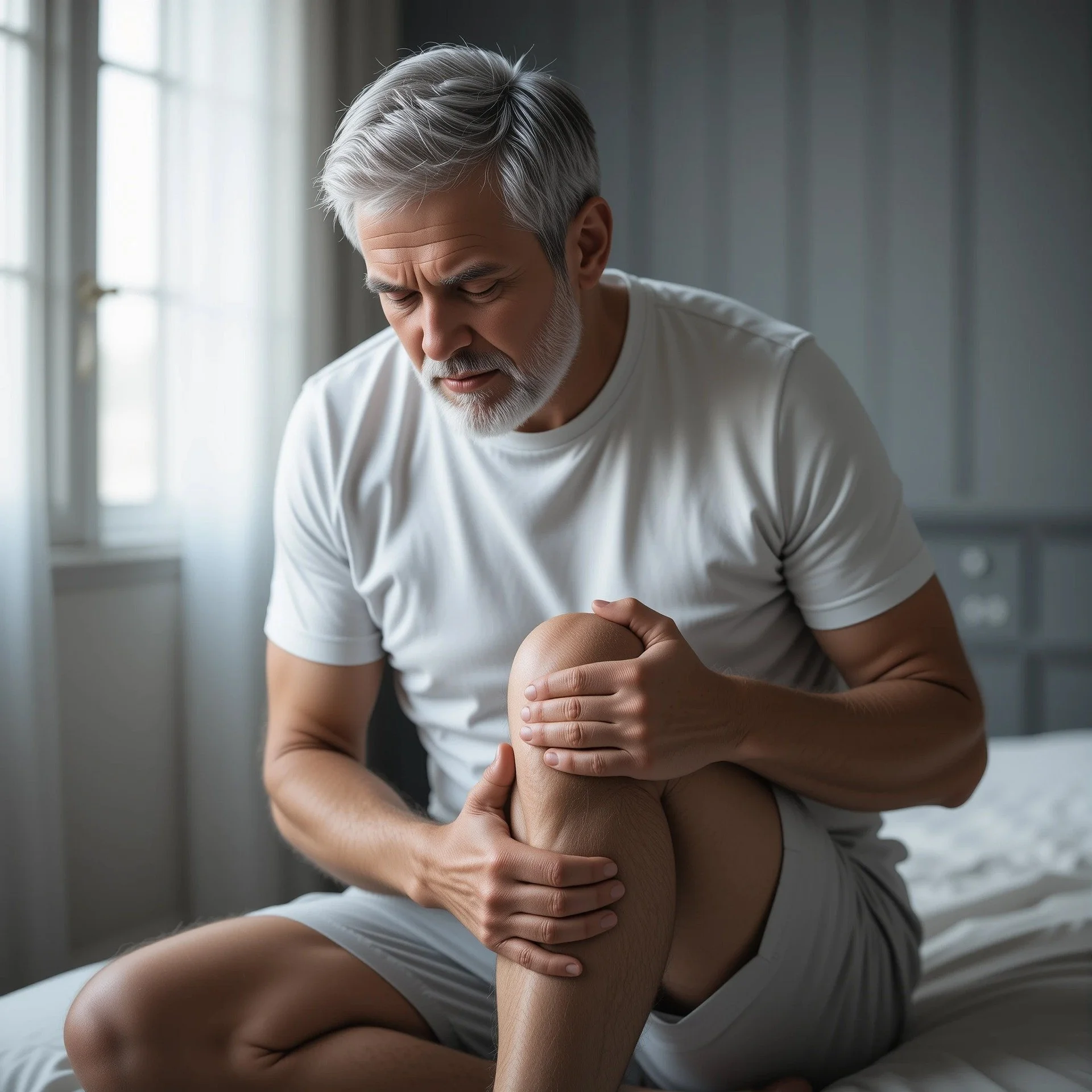
Why Does My Knee Hurt When I Walk or Run?
Knee pain when walking or running is one of the most common problems we assess at Winchester Spine Centre.
Many people assume:
It’s arthritis
It’s “wear and tear”
It’s because they’re overweight
It means they should stop running
In reality, persistent knee pain is very often a strength and load management issue, not a structural failure.
And that’s good news — because it’s treatable.
The Most Common Cause of Knee Pain: Patellofemoral Pain Syndrome
If your pain is:
Around or behind the kneecap
Worse going downstairs
Worse after sitting
Triggered by running or squatting
You’re likely dealing with patellofemoral pain.
This condition involves irritation where the kneecap meets the thigh bone.
Importantly:
It is rarely caused by “bone grinding on bone.”
Instead, it’s usually related to muscle imbalance and overload.
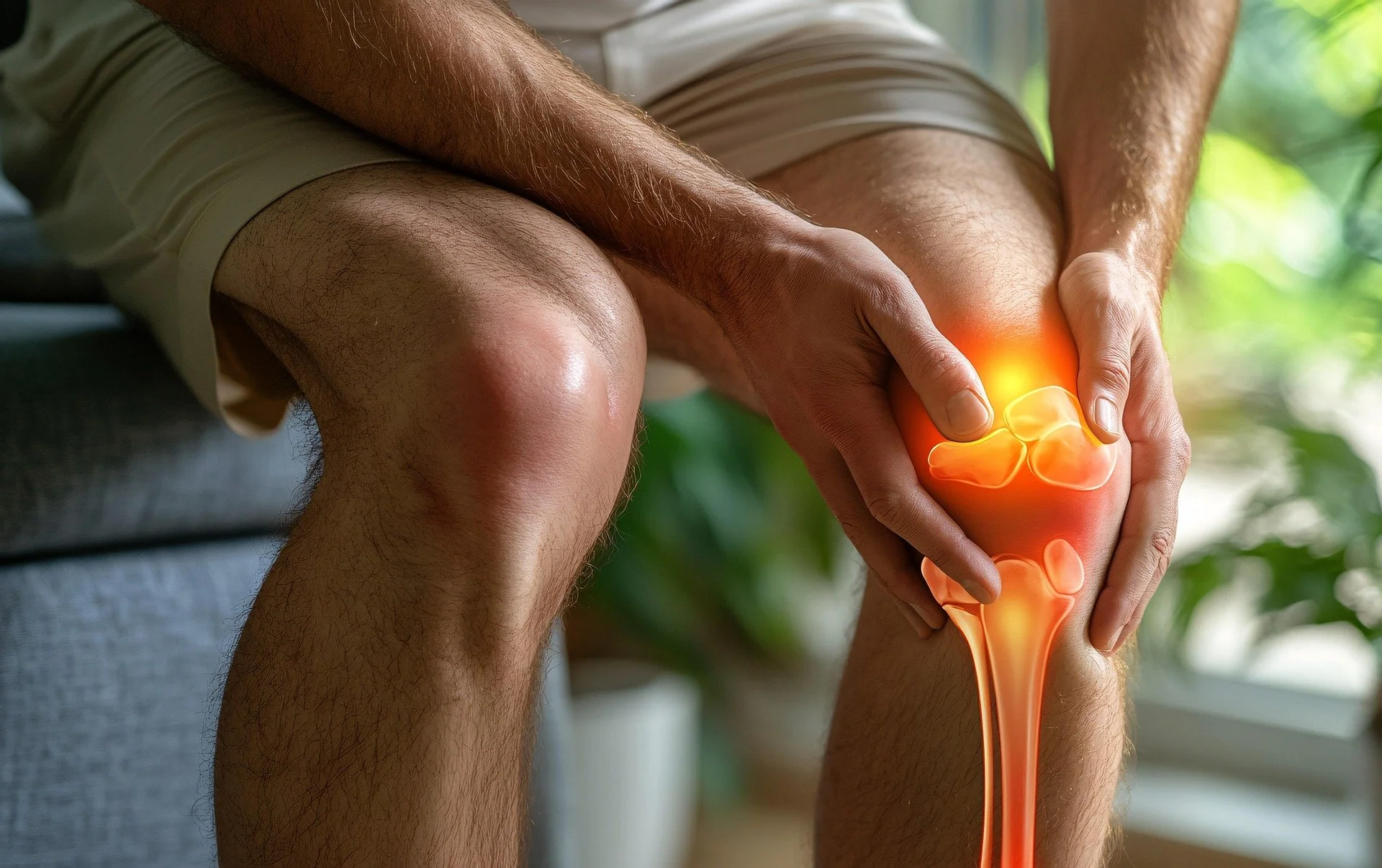
Quadriceps Weakness and Knee Pain: Is There a Link?
Yes — and it’s one of the strongest links we see clinically.
The quadriceps muscles:
Absorb load
Control kneecap tracking
Stabilise the knee under impact
When they are under-conditioned relative to your activity level, stress increases at the patellofemoral joint.
Modern clinical guidelines consistently recommend:
Progressive strengthening as first-line treatment for knee pain.
In clinic, we often find the issue is not tightness — it’s reduced load tolerance.
Is Body Weight the Main Cause of Knee Pain?
This is one of the biggest misconceptions.
It’s true that walking places 2–3 times your body weight through the knee joint.
However:
Many heavier individuals have no knee pain.
Many slim runners develop significant symptoms.
Body weight is a contributing factor — not usually the primary driver.
Strength, movement control, and sudden spikes in activity are often more important.
For individuals carrying significant excess weight, modest reduction can reduce knee pain — particularly in osteoarthritis — but it is rarely the whole story.
Are Flat Feet or Foot Mechanics Causing Your Knee Pain?
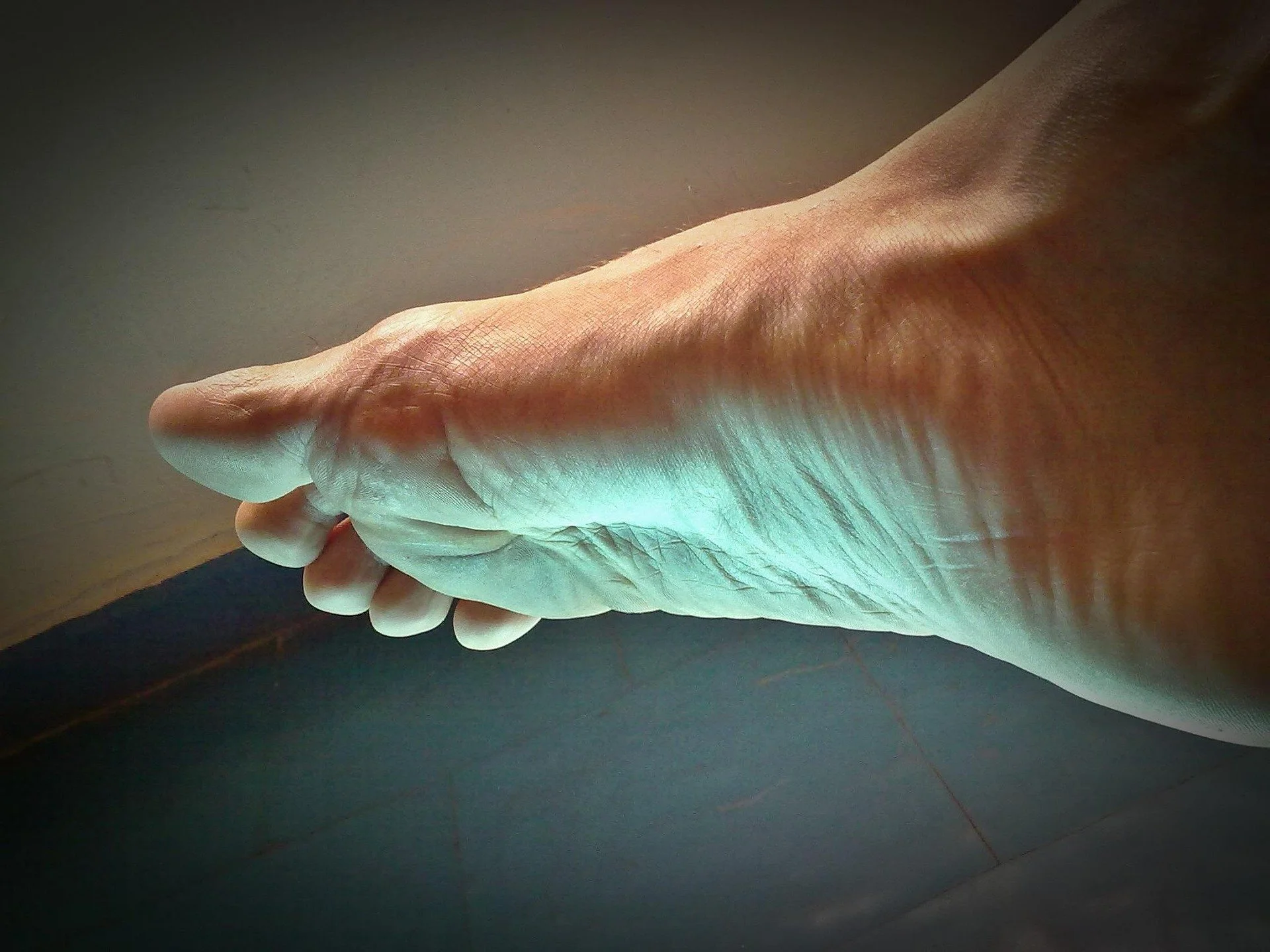
The feet absolutely matter.
Excessive pronation can increase inward rotation of the shin, altering knee loading.
However:
Not everyone with flat feet develops knee pain.
Current best practice suggests:
Orthotics can help selected individuals
Strengthening the lower limb is more impactful long-term
Addressing global strength is more important than correcting posture alone
We assess gait and foot mechanics carefully — but always in the context of the whole lower limb.
Can Hip Weakness Cause Knee Pain?
Very commonly.
Weak gluteal muscles can allow the knee to collapse inward during walking or running.
This increases stress at the kneecap joint.
Research strongly supports combining:
Hip strengthening
Quadriceps strengthening
For best results.
In many cases, strengthening the hips significantly reduces knee pain.
Can Knee Pain Come From the Lower Back?
Less often — but yes.
Lumbar nerve irritation can:
Refer pain into the knee
Alter muscle activation
Create compensatory overload
This is why we assess the spine, hips, and knee together — not in isolation.
Best Exercises for Knee Pain When Walking or Running
Here are four simple, evidence-supported exercises:
1. Wall Sits
Build quadriceps endurance safely.
2. Straight Leg Raises
Low-load early strengthening.
3. Side-Lying Hip Raises
Targets gluteal stabilisers.
4. Sit - Stand - Sit
Improves functional knee control.
The key principle:
Gradual, progressive loading.
Not aggressive stretching.
Not complete rest.
Not endless foam rolling.
When Should You Get Knee Pain Assessed?
Consider professional assessment if:
Pain lasts longer than 2–3 weeks
It keeps returning
It’s worsening
It limits walking, running, or sleep
At Winchester Spine Centre, we assess:
Muscle strength and imbalance
Joint mechanics
Gait and foot loading
Hip and lumbar contribution
We then create a structured plan to restore balance and reduce stress at the knee.
Frequently Asked Questions About Knee Pain
Is running bad for your knees?
No. Recreational running is not associated with increased osteoarthritis risk in healthy individuals.
Should I stop walking if my knee hurts?
Not usually. Reducing load temporarily while strengthening is typically more effective than full rest.
Are squats bad for knee pain?
When progressed correctly, they are beneficial and strengthen the quadriceps safely.
Do knee braces fix knee pain?
They may reduce symptoms short-term but rarely address the underlying imbalance.
Ready to Get Back to Pain-Free Walking or Running?
If knee pain is limiting your activity, it’s worth understanding why.
We can assess muscle function, joint mechanics, and spinal contribution to determine whether imbalance is contributing to your symptoms.
📞 Call us today
💻 Or book online at:
https://www.winchesterchiropractor.com
Let’s restore strength, balance and confidence in your knees.
Written by Mark Kennedy BSc (Chiropractic), DC, CCEP
Chiropractor at Winchester Spine Centre
Mark Kennedy is a UK-registered chiropractor (General Chiropractic Council Reg; 00019) and a Certified McGill Method Practitioner with over 25 years of clinical experience treating back pain, neck pain, joint injuries, and chronic musculoskeletal conditions in Winchester.
This article is published by Winchester Spine Centre, a regulated chiropractic clinic based in Winchester, Hampshire.