
Just Because You Can, Doesn't Mean You Should
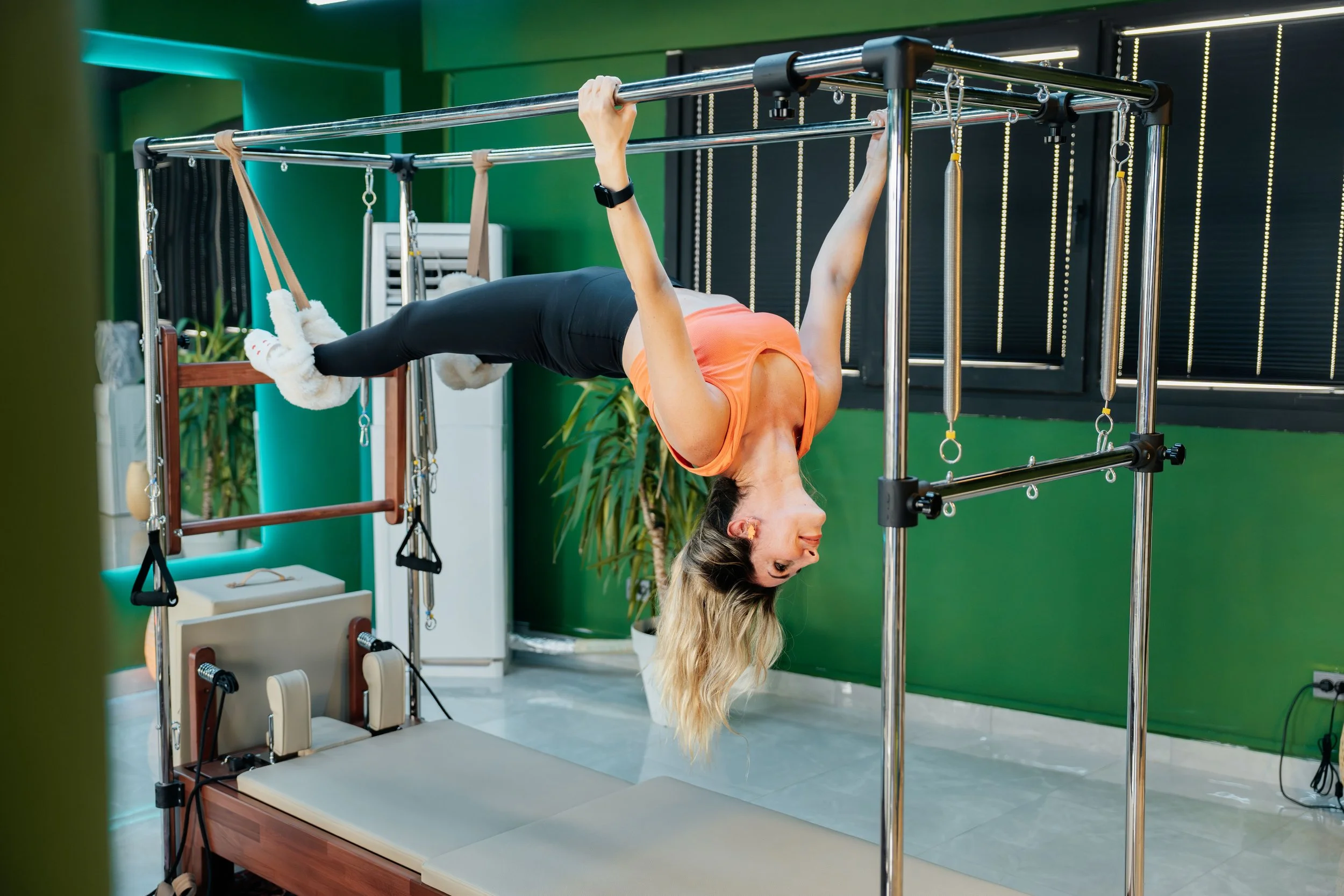
There is no shortage of exercise ideas available to us these days.
Social media is full of impressive-looking exercises involving kettlebells, Swiss balls, resistance bands, balance challenges and complicated combinations of movements.
And some of them are excellent exercises.
But there is an important question that is often overlooked:
What are you actually trying to achieve?
An exercise isn't automatically useful because it is difficult
My buddy Paul told me recently about a new kettlebell routine he had been doing from a kneeling position.
He was really enthusiastic about it and told me how it was helping to improve his core stability.
I asked him:
“Why are you doing these exercises on your knees?”
His answer was interesting.
The instructor had told him that doing the exercise from this position would make it more difficult.
That got me thinking about why we choose the exercises that we do.
Is more difficult automatically better?
I don't think it is.
When you're putting together an exercise programme, there are some much more important questions to ask.
If your goal is to improve strength, for example, there may be much simpler ways of progressively loading the muscles you want to strengthen.
If your goal is to improve your balance, then a balance challenge might make sense.
If you're trying to improve your ability to lift, carry, walk, play sport or remain strong and capable as you get older, your exercise choices should reflect those goals.
The exercise is the tool. The goal should come first.
Challenging doesn't always mean better
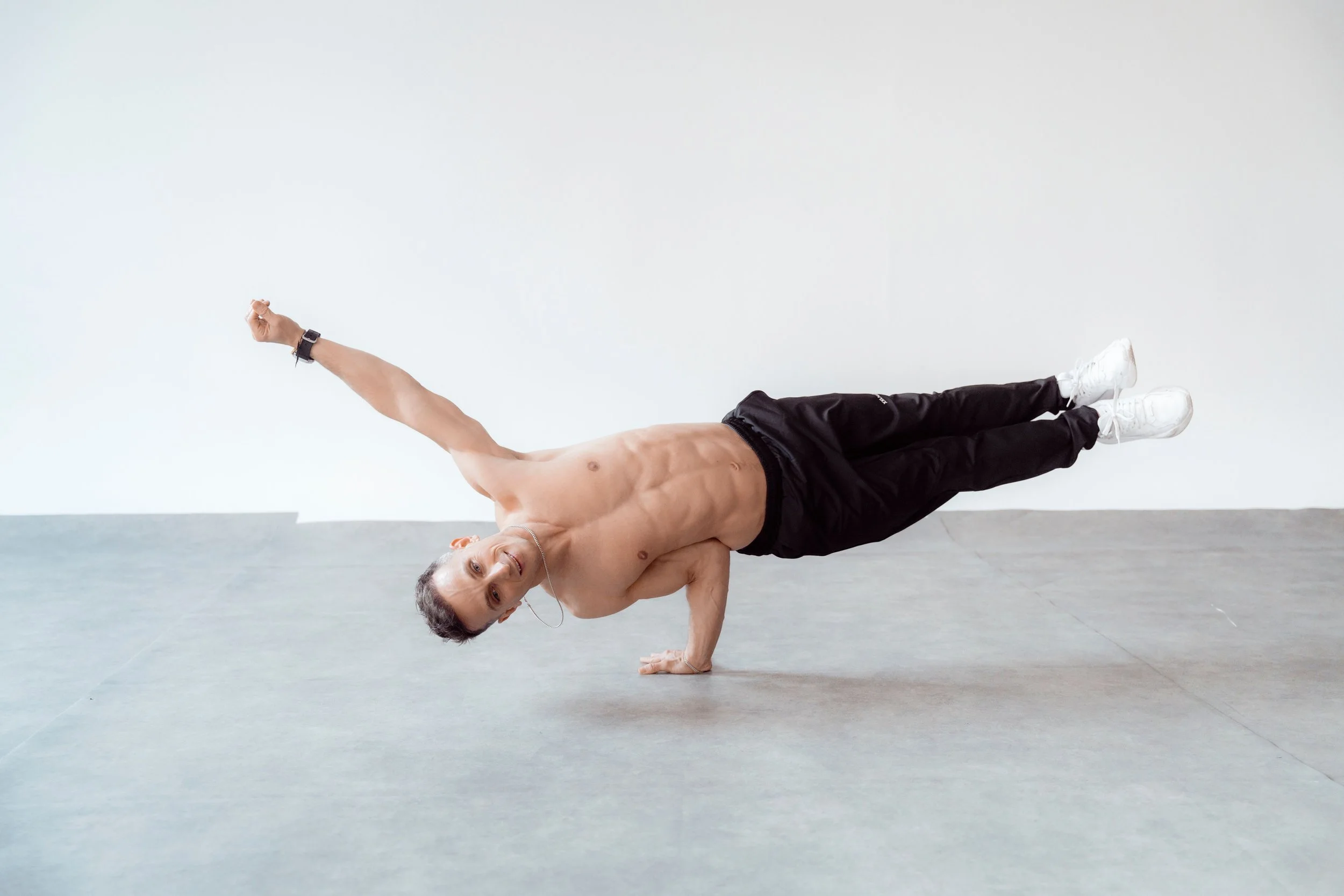
Don’t try this at home kids!
One of the problems with exercise selection is that we can become impressed by how difficult something looks.
But difficulty isn't the same as effectiveness.
An exercise can be extremely challenging because it combines several demands — balance, coordination, instability and strength — without necessarily providing the most useful stimulus for what you're trying to improve.
Sometimes a simpler exercise, performed well and progressed appropriately, is a better choice.
That doesn't mean you should avoid challenging exercises. It means the challenge should have a reason.
Ask yourself: "Why am I doing this?"
Before adding a new exercise to your routine, it is worth asking:
What am I trying to improve?
Does this exercise actually train that quality?
Is it appropriate for my current ability?
Can I perform it well enough to get the intended benefit?
Is there a simpler way of achieving the same goal?
These questions become particularly important as we get older.
If your goal is to stay strong, mobile and capable of doing the things you enjoy, you don't necessarily need an ever-growing collection of complicated exercises.
You need exercises that help you build the physical qualities that matter to you — and that you can perform consistently and progress over time.
Just because you can doesn't mean you should
One of the principles I try to apply in my own approach to exercise is quite simple:
Just because you can do an exercise doesn't mean you should do it.
The right exercise is not necessarily the one that looks the most impressive or leaves you feeling the most exhausted.
It is the one that is appropriate for you, your goal and your current level of ability.
Sometimes the smartest training choice is also the simplest one.
A final thought
Exercise should help you do more of the things that matter to you — whether that's playing sport, gardening, walking, travelling, lifting, carrying or simply remaining strong and independent as you get older.
So the next time you see an impressive new exercise, don't immediately ask:
"Can I do that?"
Ask:
"What would doing that help me achieve?"
That is often a much better place to start.
Written by Mark Kennedy BSc (Chiropractic), DC, CCEP
Chiropractor at Winchester Spine Centre and definitely over 50!
Mark Kennedy is a UK-registered chiropractor (General Chiropractic Council Reg; 00019) and a Certified McGill Method Practitioner with over 25 years of clinical experience treating back pain, neck pain, joint injuries, and chronic musculoskeletal conditions in Winchester.
This article is published by Winchester Spine Centre, a regulated chiropractic clinic based in Winchester, Hampshire.
FAQ
What is the best exercise for me?
There is no single exercise that is best for everyone. The right exercise depends on your goal, current ability, physical capacity and what you want to be able to do. An exercise that is useful for one person may be unnecessary or inappropriate for another.
How do I know if an exercise is right for my goals?
Start by identifying what you want to improve — for example, strength, balance, mobility, cardiovascular fitness or the ability to perform a particular activity. Then choose exercises that specifically develop those qualities and can be progressed appropriately.
Are complicated exercises better than simple exercises?
Not necessarily. A complicated exercise may provide a useful challenge, but complexity does not automatically make an exercise more effective. A simpler exercise that allows you to apply the appropriate amount of resistance and perform it well may be more useful.
Should I avoid exercises that are difficult or challenging?
No. Challenging exercise can be an important part of building strength, fitness and physical capacity. The important consideration is whether the challenge is appropriate for you and whether it contributes to your particular goal.
Is it better to do exercises that look impressive?
Not necessarily. How impressive an exercise looks tells you very little about whether it is useful for your particular needs. Exercise selection should be based on the outcome you are trying to achieve rather than how difficult or impressive the movement appears.
How should I choose exercises as I get older?
As we get older, maintaining strength, balance, cardiovascular fitness and the ability to perform everyday activities becomes increasingly important. Exercise should be matched to your current capacity and progressed gradually rather than selected simply because it is fashionable or difficult.