
Relieve Your Pain By Reducing Inflammation: What Really Works?
Pain goes hand in glove with Inflammation.

Pain and swelling caused by inflammation
Inflammation is the chemical reaction that occurs in the body in response to injury, trauma and stress.
Reducing inflammation is key to relieving pain, promoting healing and long-term health.
Sounds simple but how does one do it?
Inflammation can be seen in the swelling and redness associated with physical injury and damage to skin, muscle, and joints. This acute (sudden) reaction is usually the consequence of recent obvious trauma and will be short lived.
So, avoiding the triggers for physical irritation of the inflamed tissue is the first and most beneficial thing to do. When the injury has been an obvious one this is relatively easy. Not hitting your thumb with the hammer again or not jumping up and down on a sprained ankle will definitely help here.

However, many people cannot pinpoint a sudden and obvious cause for their pain. It may have been a more subtle and insidious onset. The good news is that there will always be a cause for the pain, and between you and a skilled practitioner it should be possible to identify the irritating movements or activities.
I make no apology If that sounds bit like the joke that goes; Man goes to the doctor with back pain and says “It hurts when I do this Doctor.” The doctor says “Well, don’t do it then.” Identifying and avoiding the pain trigger(s) is a high priority when trying to reduce inflammation and pain.
Ice, anti-inflammatory medication such as Ibuprofen and relative rest usually also help.

Does everyone suffer with Inflammation?
Inflammation in the human body is a spectrum with some of us at the lower end of the scale experiencing hardly any inflammation and others of us living with higher levels of inflammatory chemicals coursing through our bodies being responsible for us feeling symptoms ranging from joint pain to headaches, muscle stiffness to anxiety.
So, if we all live with a degree of inflammation all the time, how can we tell how much inflammation we might personally be experiencing?
There are blood tests that can indicate the presence of inflammatory markers in your bloodstream. C-Reactive Protein (CRP) is one such substance. It is common to test for this on a routine blood test. A “normal” result will give you a level somewhere between 0-5 mg/L.
At 0 mg/L you should probably be quite comfortable. No inflammation. At what point on the spectrum do you think one might expect to feel uncomfortable?
· 3 mg/L – Medium ‘normal’
· 5.1 mg/L – Just above ‘normal’
· 10 + mg/L – Really quite above ‘normal’
Of course, this is impossible to answer but the point is inflammation and the symptoms/ diseases associated with it are on a spectrum and it benefits us to be as low down on that spectrum as we can be.
How do we lower our inflammation?
You may have heard of an anti-inflammatory diet?
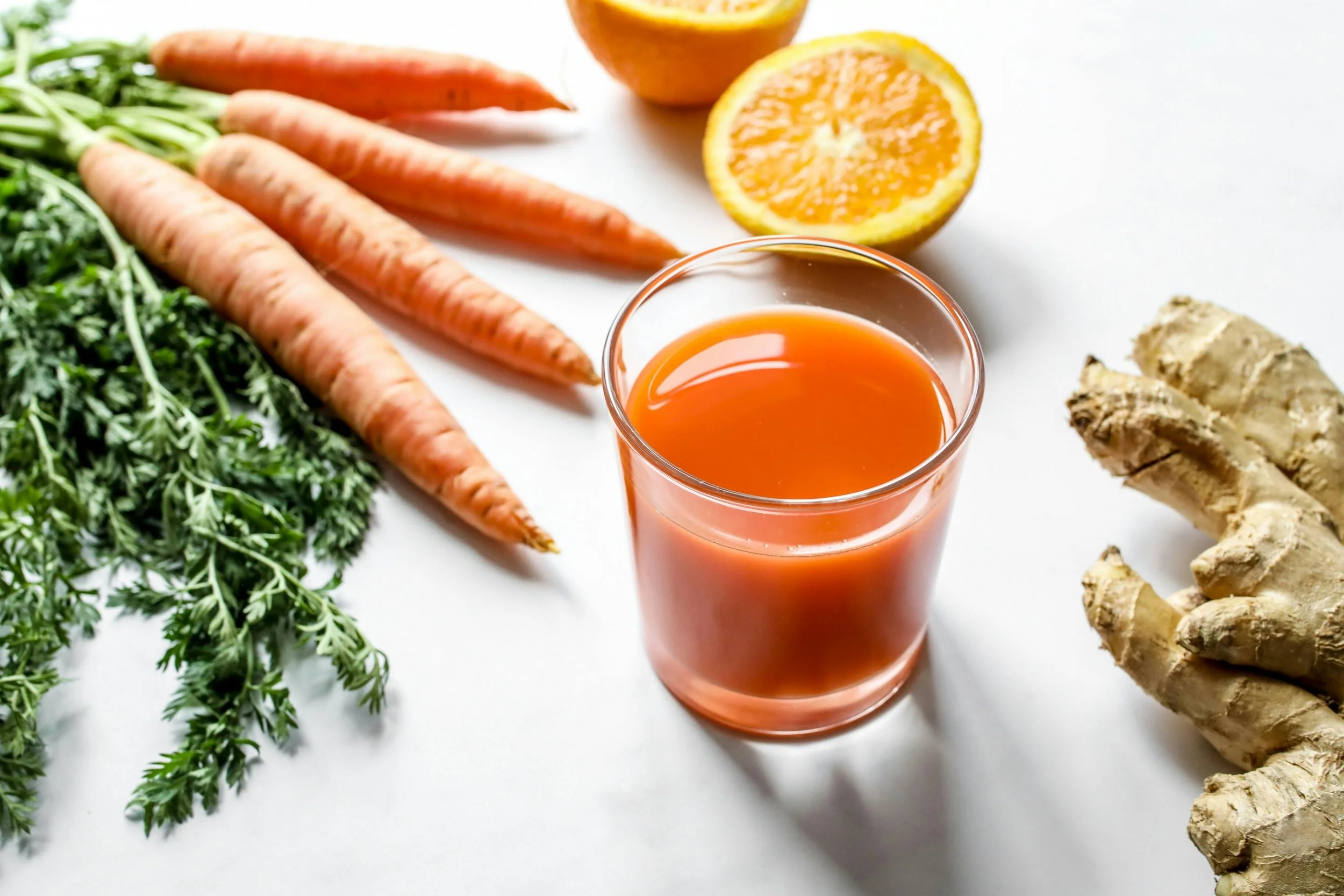
It is usually a way of eating that avoids contact with the common things that you are intolerant to. Gluten (in wheat and other grain products), dairy, soy, nuts and especially refined sugar.
Is there a link between Insulin Resistance and Inflammation?
There is a strong correlation between poor control over insulin (the hormone your body must produce to correctly regulate blood sugar) and inflammation. Persistently high blood sugar levels lead to the production of chemicals that can damage our cells and cause a sort of stickiness between our cells, a process called Glycation. Could this be one explanation for the sluggishness and general stiffness in joints and muscles that affect us the morning after a night of overindulgence?
Actions to take.
If your pain trigger is not obvious, try keeping a log of your daily activities and your daily pain levels. Understanding in detail what you did and how long you spent doing each thing whilst noting how much pain you feel at the time and perhaps more importantly some hours afterwards, enables you to build a picture of how yesterday’s activities affect today’s pain sensation. This way it is possible to identify the crucial associations between movements or postures and pain generation (inflammation). You can then begin to modify your habits to see whether that reduces your experience of pain.
Eat in a way that is likely to reduce your inflammation.
I’m afraid this means eliminating certain foods that may seem like staples in your diet.
Here is an example anti-inflammatory meal plan I pulled straight off a google search;
Sample Anti-Inflammatory Menu
Day 1
· Breakfast – Smoothie with berries, leafy greens and source of protein like chia seeds.
· Lunch – Mason Jar slad with chick-peas, tuna and a vinaigrette made with olive oil.
· Dinner – Rosemary roasted salmon with asparagus and sweet potatoes.
· Snack – A handful of almonds or a pear.
Day 2
· Breakfast – Greek yoghurt with blueberries and walnuts.
· Lunch – Lettuce wraps with shrimp, avocado and a lemon-dill sauce.
· Dinner - Chicken and broccoli stir-fry with brown rice.
· Snack – Sliced apples with a small amount of nut butter.
Day 3
· Breakfast – Overnight oats with cherries and almonds.
· Lunch – Lentil soup with a side salad.
· Dinner – Fish Tacos with a red cabbage slaw on whole-wheat tortillas.
· Snack – A piece of fruit.
So, as you can see, a meal plan eliminating refined sugar and keeping carbohydrates in the complex or whole food state.

This is a great book to give you more ideas about how to use food and simple hacks to control your insulin levels.
Do I need to mention that water is the best thing to drink? Not coffee, not tea and not alcohol. To calculate the amount of water to maintain good hydration take your body weight in pounds and halve it. That is approximately how many fluid ounces of water to drink daily.
Eliminating uncontrolled spikes in your insulin levels will be a great starting point to lower inflammation in your body.
Obviously, it is not going to happen overnight, and you will need to commit to the process over a period of several weeks to reach a point where the evidence of your efforts will be felt in your body and seen by others in the way you look and move.
Good luck and remember if you need help or advice just get in touch with me at the clinic.
Mark Kennedy Bsc. (Chiropractic) DC CCEP
Director Winchester Spine Centre ltd. and a chiropractor with over 30 years experience treating patients of all ages with painful joints and muscles. Certified in Sacro-Occipital Technique, Extremity Technique and McGill Method, Mark practices with an emphasis on educating and empowering people to help themselves through good movement, exercise and eating habits.